.jpg)
The letter tells you the car is a total loss, the settlement lands in your account, and a truck takes the old thing away. Then what?
The answer depends on a single letter assigned within days of the crash. An assessor working under the ABI’s salvage code grades every written-off vehicle into one of four categories, and that grade is recorded permanently on the industry’s salvage register, the one every HPI-style check reads from. From that moment the car is on one of four very different paths.
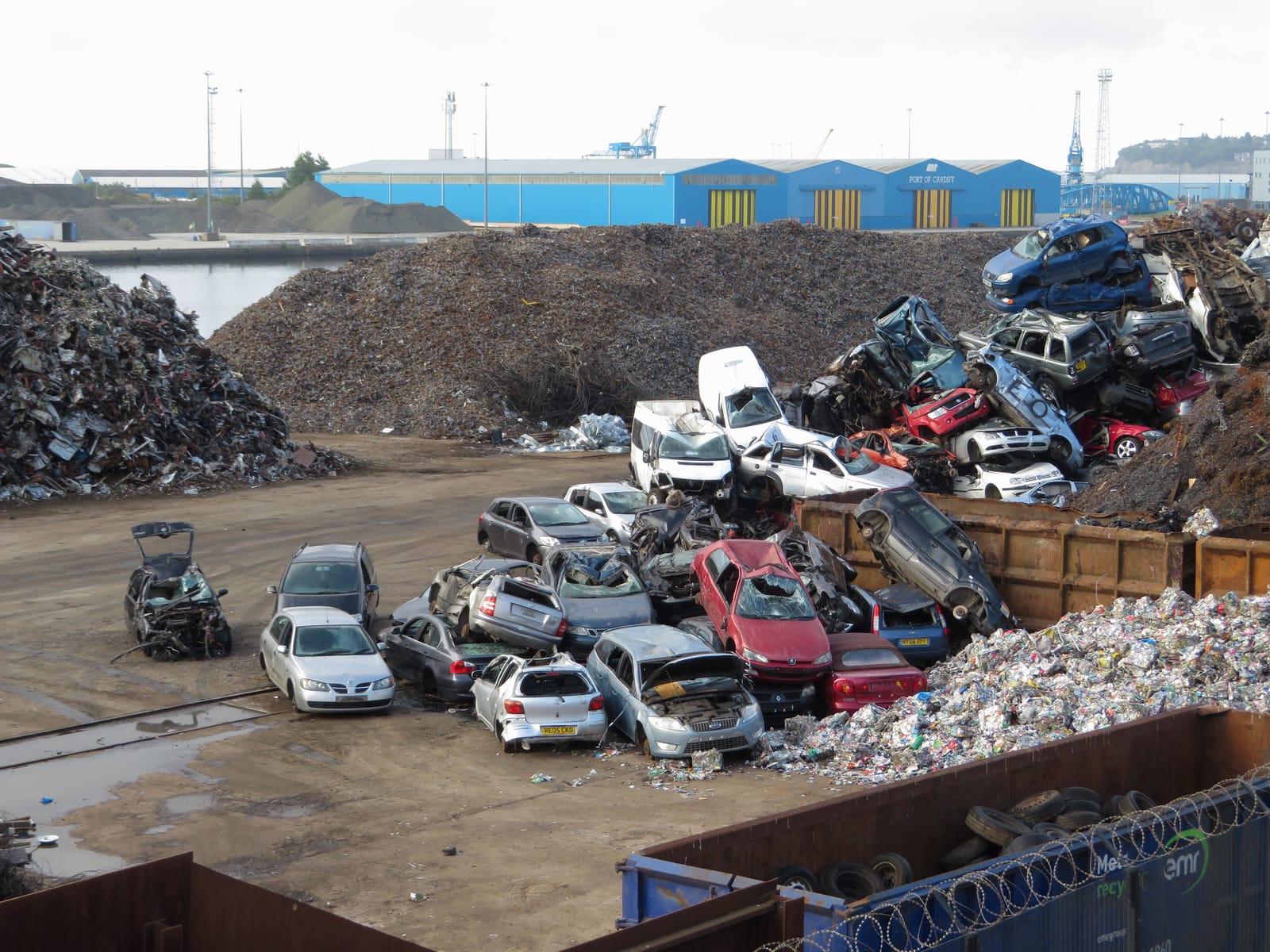
Cat A is the short one. The whole car must be crushed, parts and all. These are the burnouts and the flood-soaked hulks, and nothing legal can bring them back.
Cat B cars are dead too, but only above the waist, so to speak. The body shell must be destroyed, yet the engine, gearbox, seats and electronics can all be harvested and sold on. This is where the “green parts” trade begins, and it’s become serious business: Ageas says reclaimed parts now feature in nearly four in ten of its qualifying repairs. Auction houses treat Cat B carefully. Copart will only sell them to licensed trade buyers, because the one thing a Cat B must never do is drive again.
The interesting categories are Cat S and Cat N, structurally damaged and non-structurally damaged respectively. These cars are legally allowed back on the road, and a whole ecosystem exists to put them there. Most are sold through online salvage auctions run by the likes of Copart and SYNETIQ, where bidders range from professional repairers to ambitious amateurs. Repaired examples reappear on the used market months later, carrying their marker and, in theory, a matching discount.
Some never come home. Damaged British cars are exported in serious numbers, repaired abroad cheaply and sold on, and salvage insiders have begun warning that vehicles which leave formal channels can return as low-cost used imports with histories that are hard to trace.
One more thing that surprises people: since the government scrapped the Vehicle Identity Check in 2015, no official body inspects a repaired Cat S before it returns to the road. The DVLA must be told, and the V5C is reissued, but the quality of the repair is between the repairer, the MOT tester and the next buyer. If that next buyer is you, an independent inspection isn’t a nicety. It’s the closest thing to the official check that no longer exists.